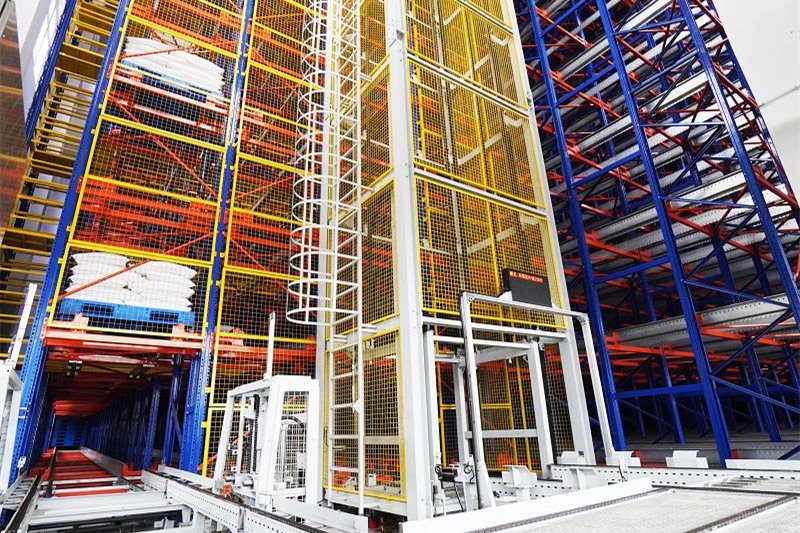
SOLUTION ARCHITECTURE

High-Density Storage & Retrieval

Plan storage capacity and retrieval around your inventory, available space and operating demand.

CoreLogis assesses the operation, defines the storage architecture and coordinates technology integration. Equipment selection follows the design basis.
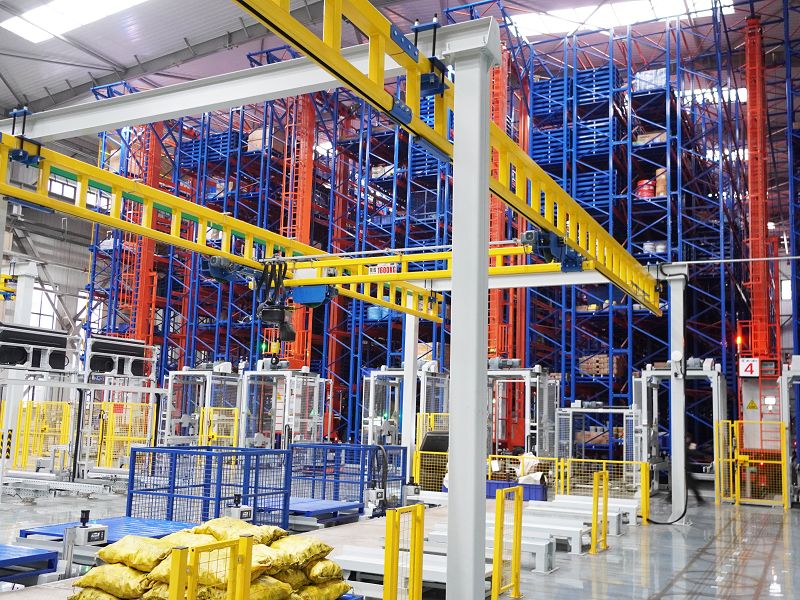
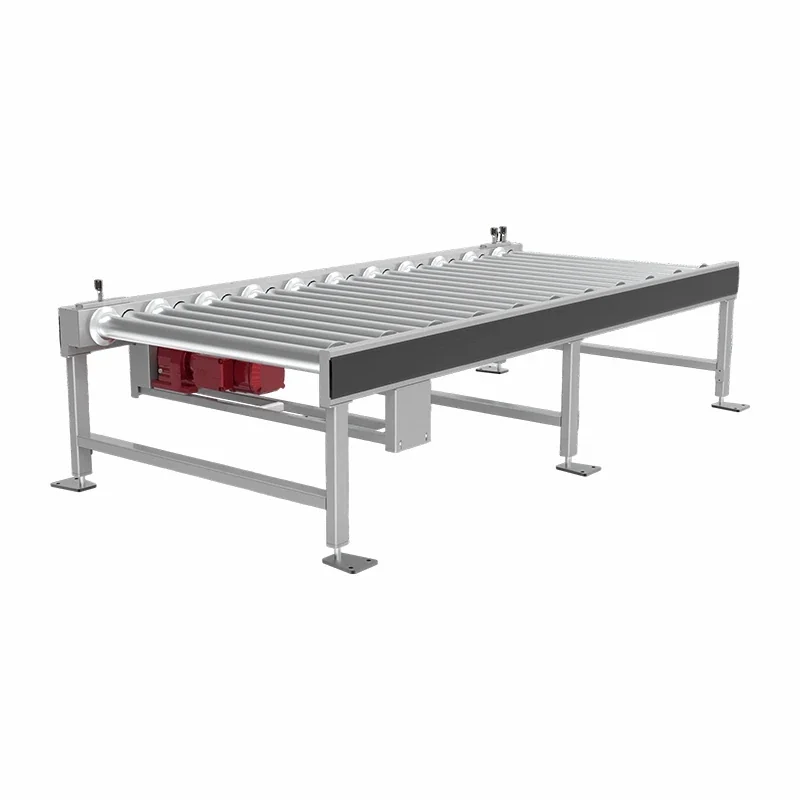
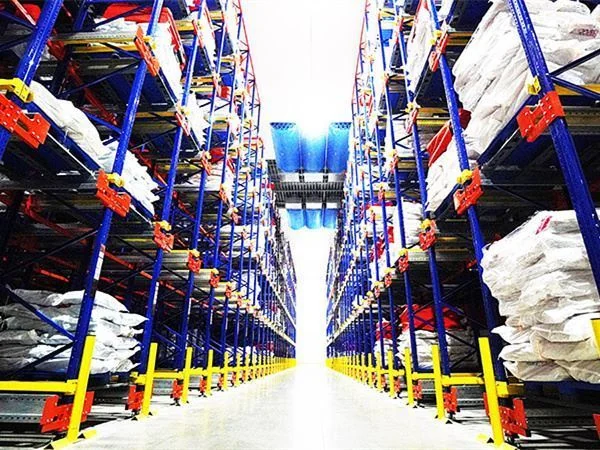
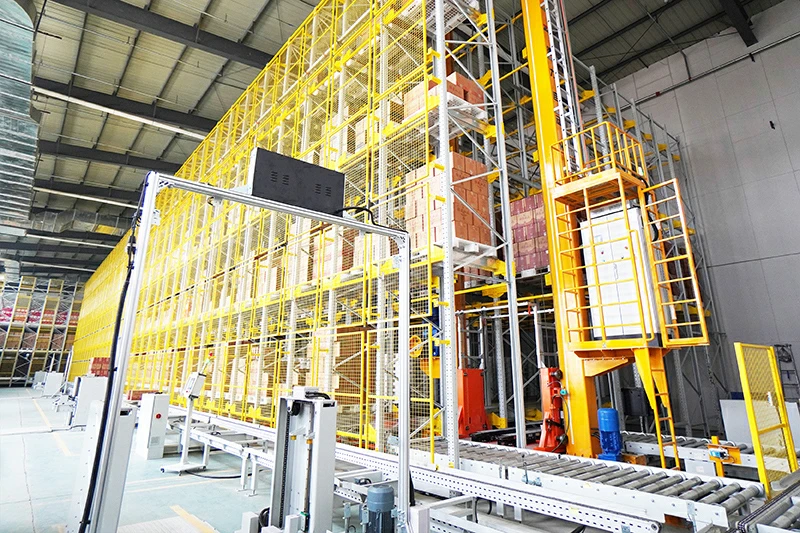
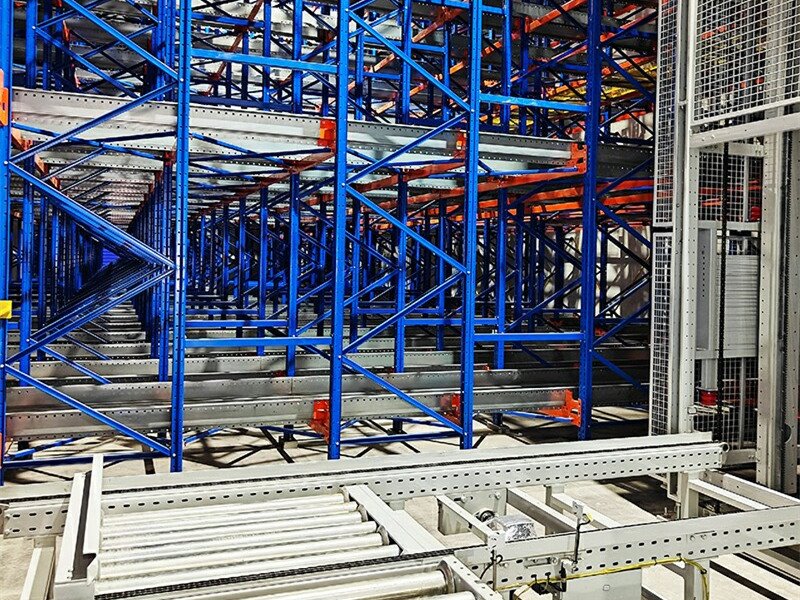
rack aisles and automated storage equipment

01What problem does this solve?

  • Available space

    Limited floor space or unused clear height

  • Inventory growth

    Growing pallet, tote or carton inventory

  • Controlled access

    A need for controlled storage and retrieval

  • Connected processes

    Storage that must connect with inbound, picking, production or outbound

02What would we assess?

We compare usable capacity with the access and movement the operation needs. Denser storage must still support the required retrieval pattern.

  • Load characteristics

    Pallet, tote or carton type, dimensions, weight and stability.

  • Inventory profile

    Stock-keeping unit (SKU) mix, average and peak inventory, storage density requirements and access frequency.

  • Movement demand

    Average and peak inbound, retrieval and outbound transactions, including when demand occurs.

  • Building constraints

    Available footprint, usable clear height and constraints affecting rack, aisle and transfer positions.

  • Expansion and interfaces

    Handoffs to picking, production or dispatch, and how future inventory growth would affect capacity and access.

03How the system can work

Goods are checked and identified before entering storage. The system retrieves them for the next process. Storage capacity depends on the load profile, layout and required access.

  1. Inbound
  2. Check / Identify
  3. Automated Storage
  4. Retrieval
  5. Transfer / Picking / Outbound
Illustrative process sequence. Final layout and handoffs depend on the operation.

04Architecture options

The final architecture depends on the load profile, access frequency, transaction demand, building constraints and expansion plan. No single storage technology is the default answer.

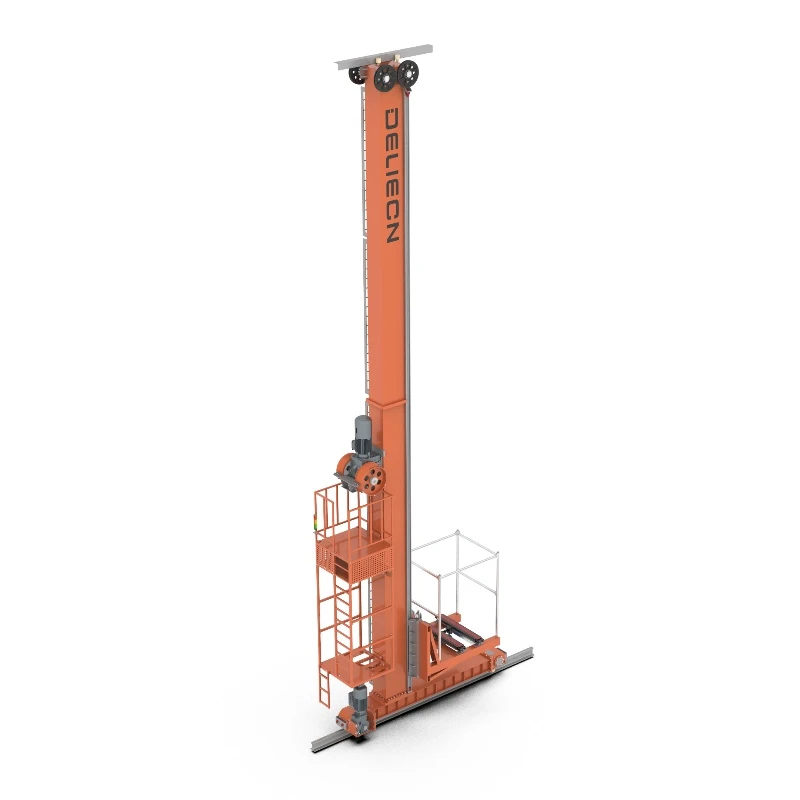
Crane-Based AS/RS
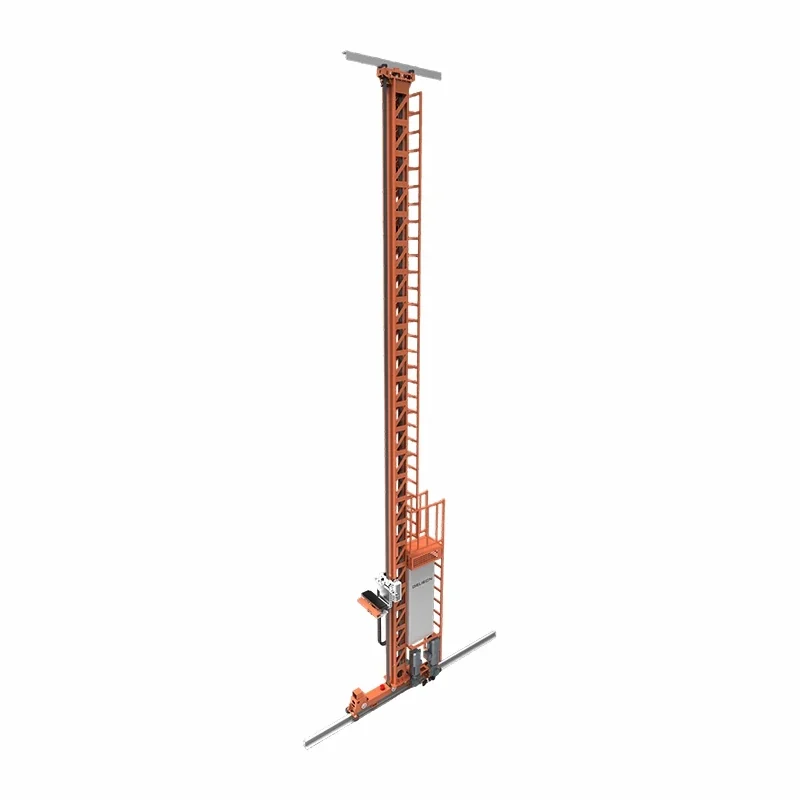
Assess aisle-based access, rack height, load handling and retrieval demand for crane-based automated storage and retrieval (AS/RS).
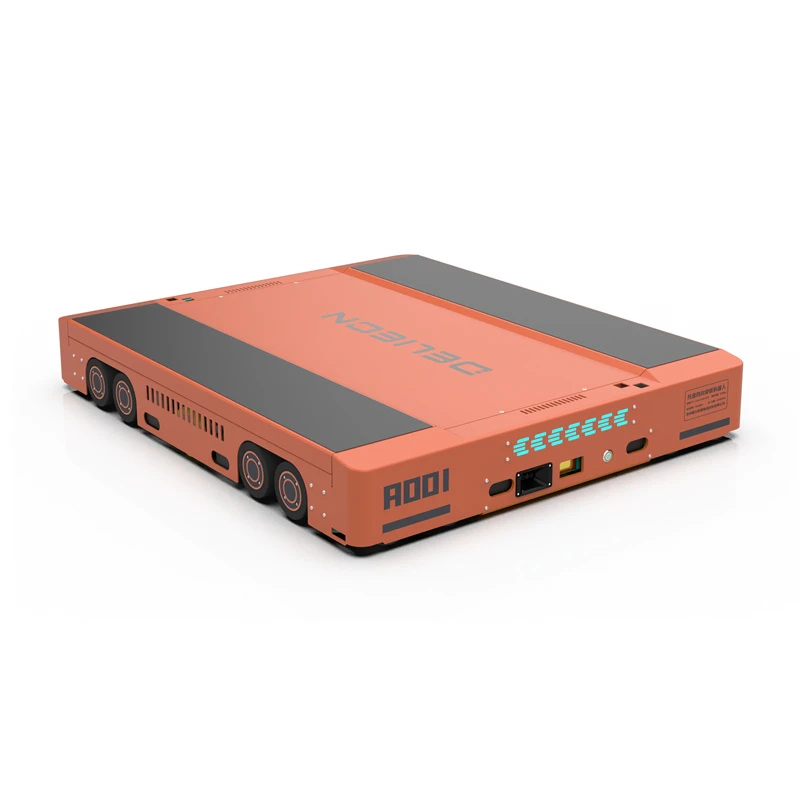
Shuttle-Based AS/RS
Match lane depth, SKU allocation and transfer points to the storage access pattern.
Four-Way Shuttle Architecture
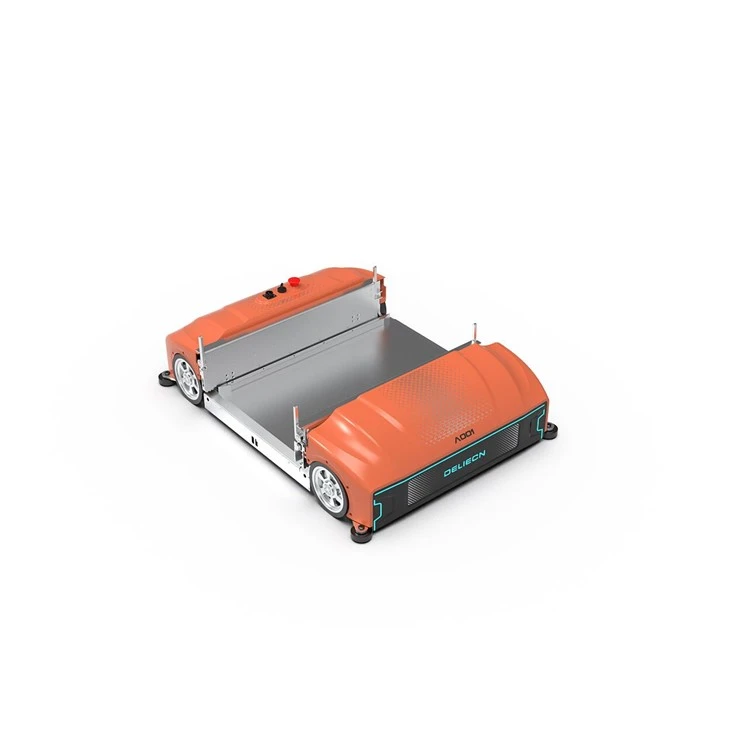
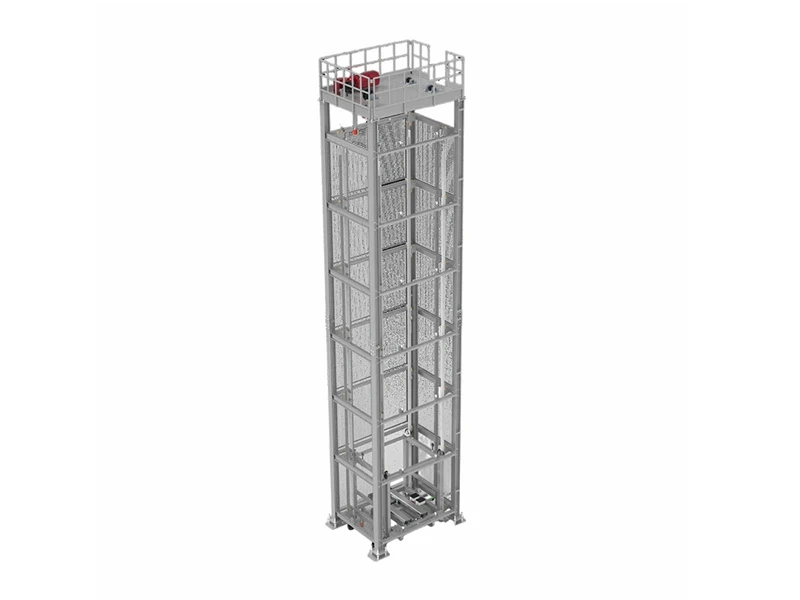
Design shuttle routes, lifters and transfer capacity together where movement across lanes and levels is needed.
Mixed Crane + Shuttle Architecture
Different storage methods may serve separate load or access needs. Coordinate their handoffs and software within one design.

05Technology building blocks

Once the storage architecture is defined, CoreLogis coordinates equipment, racking and software configuration against the design basis. Technology selection follows customer requirements and is not restricted to a single partner; CoreLogis leads system integration.
AS/RS selection questions

An automated storage and retrieval system must be sized for both storage and movement. Published equipment maxima are not a substitute for the operating profile or the site engineering basis.

When should a warehouse consider a stacker crane rather than a shuttle?
Evaluate the access pattern first: rack-aisle crane movement and a shuttle-based lane strategy create different trade-offs in storage depth, access sequence, equipment count and transfer points. Compare scenarios using the same SKU, pallet and throughput assumptions. Explore the pallet stacker crane and pallet shuttle architecture guide.
Which inputs are needed to estimate AS/RS capacity?
Start with verified load dimensions and mass, pallet stability, SKU quantities, stock profile, required selectivity, usable building envelope and rack constraints. Then evaluate usable storage locations and replenishment flow rather than equating a theoretical rack slot count with saleable operating capacity. See AS/RS racking and machine interface considerations.
How should retrieval throughput be evaluated?
Separate average and peak inbound/outbound demand, order mix, transfer-point contention, travel/lift cycles, equipment availability and exception recovery. A vendor's maximum travel speed is not a warehouse-level pallets-per-hour promise; simulate the chosen layout and confirm acceptance scenarios during engineering.
Which building constraints can affect AS/RS feasibility?
Check usable clear height, floor or foundation loads, aisle and maintenance access, building tolerances, fire-protection requirements and site utilities before fixing rack geometry or equipment selection. Qualified project engineers must review structural and safety requirements for the actual site.

CONSULT CORELOGIS

08Discuss your operation.

Share your load and inventory profile, building constraints, growth plans and questions. We can start by defining the storage and retrieval requirements.

PROJECT CONSULTATION

Discuss Your Operation

Tell us what you want to improve, and we will start with your operation before discussing technology.

  1. Consult
  2. Design
  3. Deliver
  4. Support

Information submitted through this form will be used by CoreLogis to respond to your inquiry.