SOLUTION ARCHITECTURE

Warehouse Control & Integration

Design how inventory, orders and equipment tasks work together across the warehouse.

CoreLogis defines process rules, system responsibilities and integration requirements before configuring software and equipment interfaces.
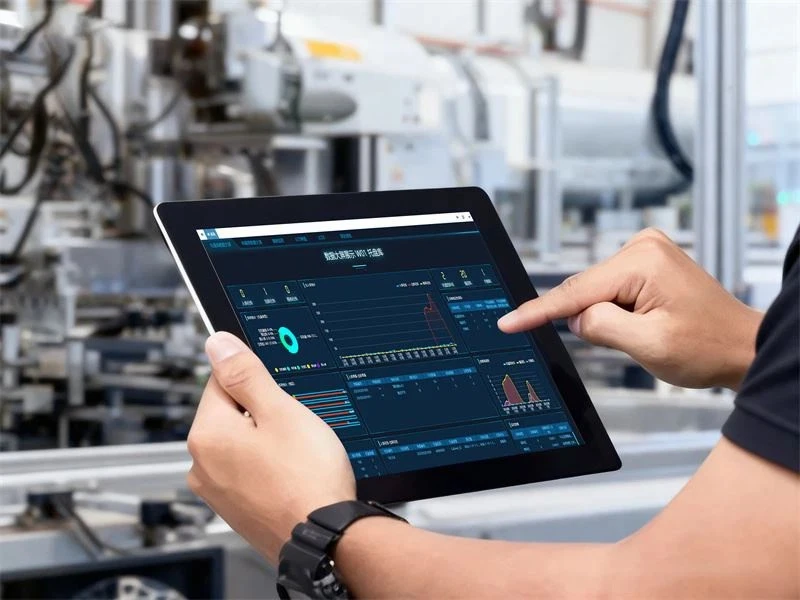
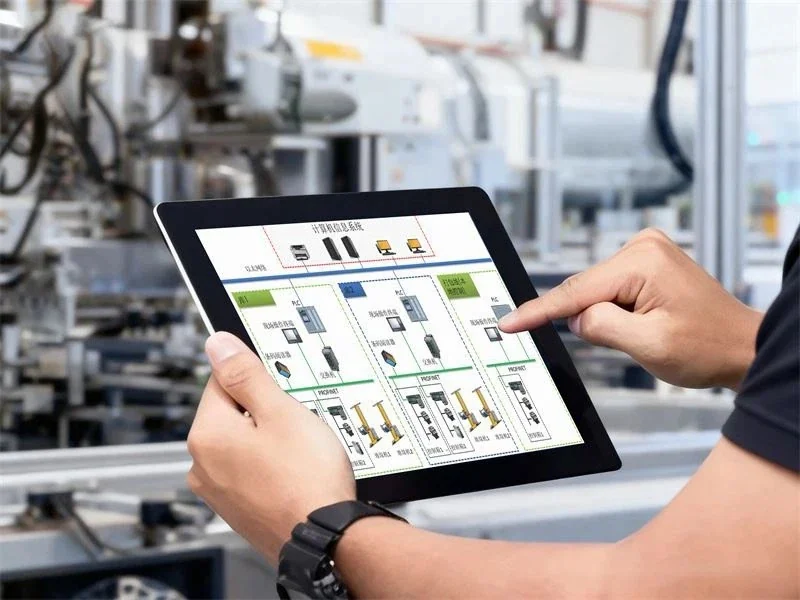
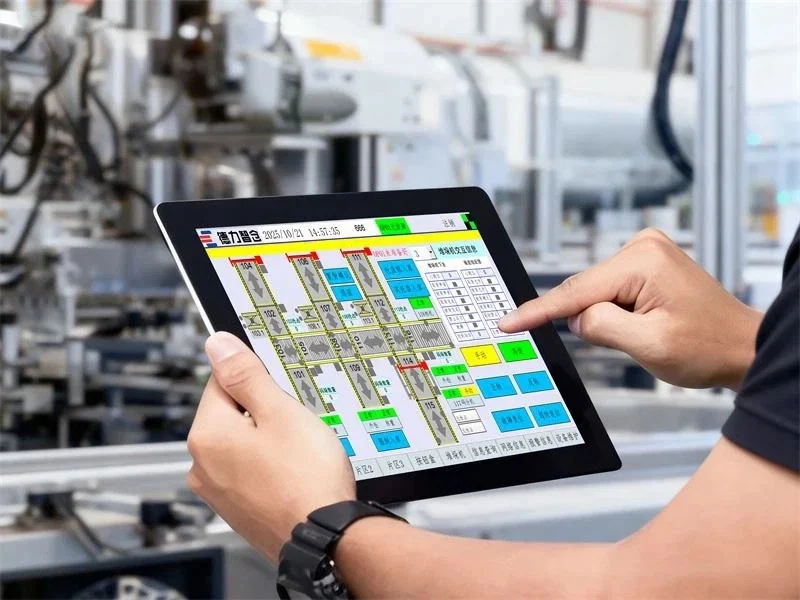
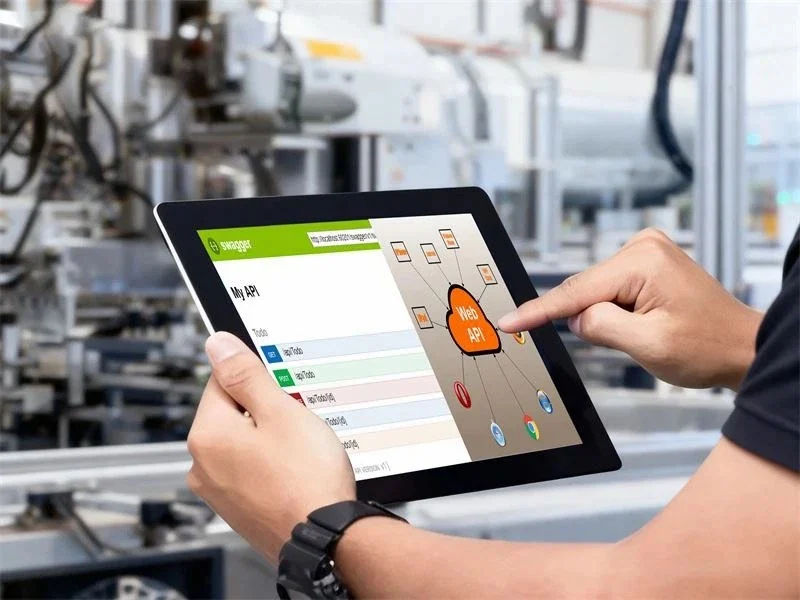
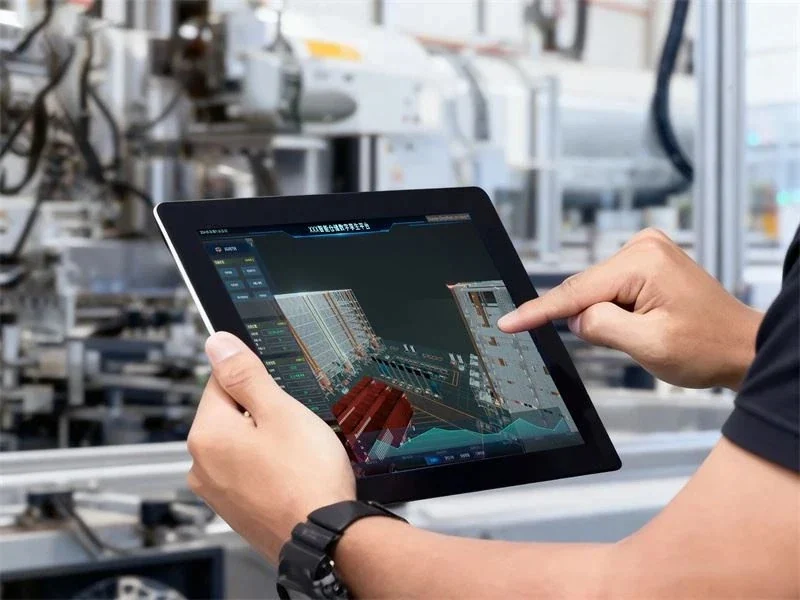
Official DELIECN warehouse management software imagery showing a tablet interface

01What problem does this solve?

  • Disconnected systems

    Multiple automated subsystems or disconnected equipment

  • Inventory coordination

    Inventory and order coordination across processes

  • System interfaces

    Host-system integration and equipment task routing

  • Exceptions

    Exception handling and manual intervention

  • Visibility and growth

    Process visibility and future system expansion

02What would we assess?

  • Host systems

    Existing enterprise resource planning (ERP), manufacturing execution (MES) or other host systems

  • Data and rules

    Inventory and order data, and warehouse process rules

  • Equipment interfaces

    Automation equipment interfaces and task allocation

  • Exception handling

    Exception flows and manual intervention requirements

  • Reporting and expansion

    Visualization, reporting and future integration requirements

03How the system can work

Warehouse automation needs agreed responsibilities across software and equipment. Conceptually, warehouse management software (WMS) manages inventory, orders and process rules; warehouse control software (WCS) coordinates automated equipment tasks; equipment controls execute machine-level commands and return feedback.

We define how requests, task status and exceptions pass between these layers, including when operators intervene. The final allocation of responsibilities and interfaces depends on the existing systems and selected equipment.

  1. ERP / MESBusiness and production systems
  2. WMSInventory, orders and warehouse process rules
  3. WCSAutomated equipment task coordination
  4. Equipment ControlsMachine-level execution and feedback
    • Automated storage and retrieval (AS/RS)
    • Autonomous mobile robots (AMRs) / automated guided vehicles (AGVs)
    • Conveyor / Transfer
  5. Warehouse ProcessPhysical movement and operational feedback
Illustrative system architecture. Interfaces require project-specific review; this diagram does not promise compatibility with a particular host system.

04Architecture options

The integration scope depends on which responsibilities existing systems retain and which the new solution must provide. Future interfaces should be considered in the design basis.

WMS Integration
Define inventory, order and process responsibilities, including data exchanged with existing host systems.
WCS Task Coordination
Define task allocation, sequencing and monitoring across equipment, including exceptions that prevent tasks from proceeding.
Equipment Control Interfaces
Agree commands, feedback, responsibility boundaries and exception handling for each equipment interface.
Warehouse Process Visualization
Identify the states, tasks, exceptions and reports operators need. Confirm where the data comes from.
Host-System Integration
Review ERP, MES and other host systems. Confirm interface feasibility without assuming protocols, standards or software capabilities.

05Technology building blocks

CoreLogis coordinates software and control integration requirements; specific capabilities, interfaces and compatibility must be confirmed for the project. Technology selection follows customer requirements and is not restricted to a single partner; CoreLogis leads system integration.
Warehouse control integration: engineering questions

These are design considerations, not promises of interoperability with a particular WMS, PLC, AMR or conveyor. Confirm actual interfaces and responsibilities during the assessment.

What is the difference between WMS and WCS?
A warehouse management system normally owns inventory and order decisions. A warehouse control system coordinates equipment tasks and execution feedback. The exact responsibility boundary depends on the existing software and control architecture. See the WMS vs WCS engineering note.
What should an integration specification contain?
Document the source of truth for each inventory event, task identifiers, command and acknowledgement states, timeout behaviour, duplicate-message handling, manual overrides and recovery procedures. Agree how each subsystem reports an interrupted or partially completed movement before testing end-to-end flows.
Does a WCS replace machine-level controls?
Not by definition. Machine controllers and safety systems still govern equipment-level execution according to the approved design. A WCS may sequence or dispatch tasks, but interface responsibility, interlocks and recovery authority require project-specific confirmation. Review the WCS equipment-coordination offering and API interface considerations.
What should be tested before warehouse systems go live?
Test a complete task lifecycle, including normal completion, equipment faults, retries, lost acknowledgements, inventory reconciliation and an operator-controlled recovery path. Define observable acceptance criteria for every interface instead of assuming that successful connectivity proves operational readiness.

CONSULT CORELOGIS

08Discuss your operation.

Share your existing systems, process rules, integration constraints, expansion plans and questions. We can start by defining the responsibilities and interfaces.

PROJECT CONSULTATION

Discuss Your Operation

Tell us what you want to improve, and we will start with your operation before discussing technology.

  1. Consult
  2. Design
  3. Deliver
  4. Support

Information submitted through this form will be used by CoreLogis to respond to your inquiry.